

Survival Hangs in the Balance as Humanitarian Efforts Struggle to Adapt
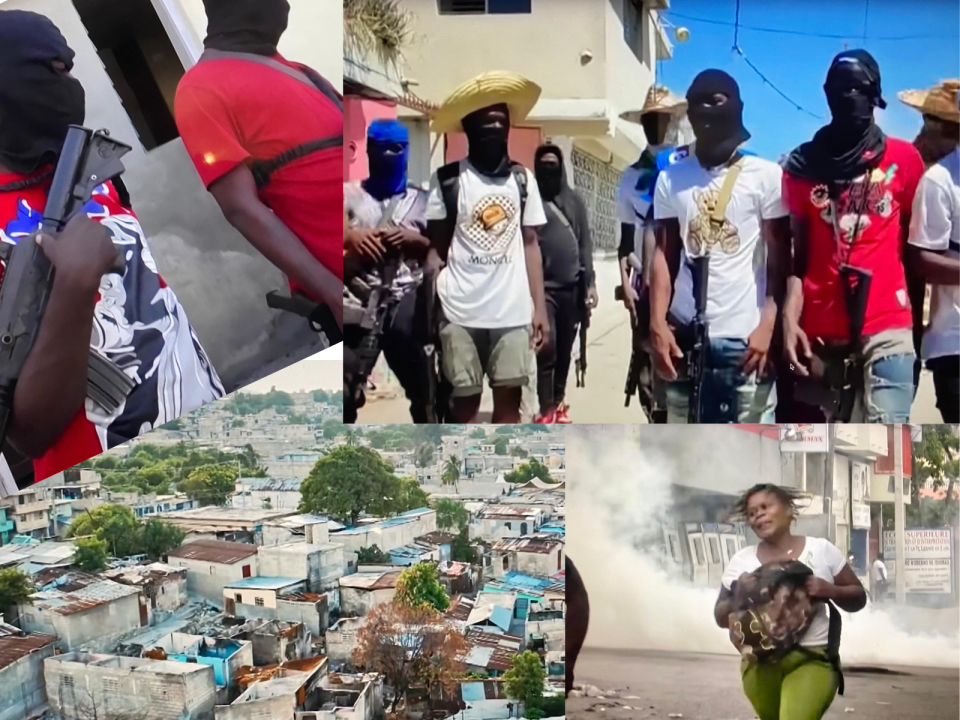
Amidst the escalating surge in gang violence and kidnappings afflicting Haiti, humanitarian organizations find themselves at a crossroads, compelled to reassess their strategies for delivering aid in a landscape fraught with ethical and logistical complexities. This dilemma resonates across regions plagued by political unrest and violence, with Haiti serving as a stark example. The recent uptick in gang activity has not only impeded the timely distribution of assistance to an estimated 4.9 million Haitians in need but has also plunged many into a state of uncertainty and fear, particularly those directly affected by the ongoing political turmoil.
The proliferation of armed gangs following the assassination of President Jovenel Moïse has rendered large swathes of the capital ungovernable, presenting formidable obstacles to aid organizations striving to deliver assistance to those in need. Gangs exert control over critical transit routes, including ports and industrial zones vital for the distribution of essential supplies. Despite efforts to negotiate with armed factions, the volatile security environment continues to hamper relief efforts, prompting some organizations to suspend operations indefinitely.
Security concerns loom large for aid groups navigating the perilous landscape of gang-controlled territories. The specter of kidnappings, exemplified by recent incidents involving missionaries and aid workers, underscores the pervasive threat of violence that pervades humanitarian missions operating in Haiti. Escalating security costs and the scarcity of reliable commercial security services further compound the challenges faced by organizations striving to fulfill their mandates amidst escalating violence.
In response to these daunting challenges, aid organizations explore diverse strategies to navigate the treacherous security terrain. From forging alliances with local intermediaries and religious leaders to leveraging existing networks, efforts are underway to establish safe channels for accessing vulnerable communities. However, the fluid nature of gang dynamics presents an ongoing challenge, necessitating continual adaptation and negotiation to ensure effective aid delivery.
The knock-on effects of gang violence extend far beyond the confines of Port-au-Prince, exacerbating the humanitarian crisis in Haiti’s southern peninsula. The devastation wrought by political unrest, compounded by pervasive insecurity, intensifies the urgency of delivering aid to vulnerable populations. However, roadblocks erected by armed groups and dilapidated infrastructure impede access, exacerbating the suffering of those in urgent need.
The precarious security situation underscores broader governance challenges confronting Haiti. With political instability and a weakened government unable to address the root causes of violence, the prospects for meaningful change remain uncertain. Prime Minister Ariel Henry’s precarious hold on power exacerbates the atmosphere of uncertainty, prolonging the cycle of violence and hindering efforts to address the humanitarian crisis.
In the absence of concerted action to address the systemic issues fuelling gang violence, the prospects for improvement remain elusive. The international community’s role in supporting Haiti’s recovery and reconstruction efforts is paramount, yet the path forward is fraught with obstacles. As Haiti grapples with overlapping crises, the imperative of humanitarian action amidst insecurity underscores the urgent need for sustained engagement and innovative solutions.